

Why the donation center won't take your dining set, and what happens to it instead
By Erik Checkur · November 14, 2026 · 7 min read
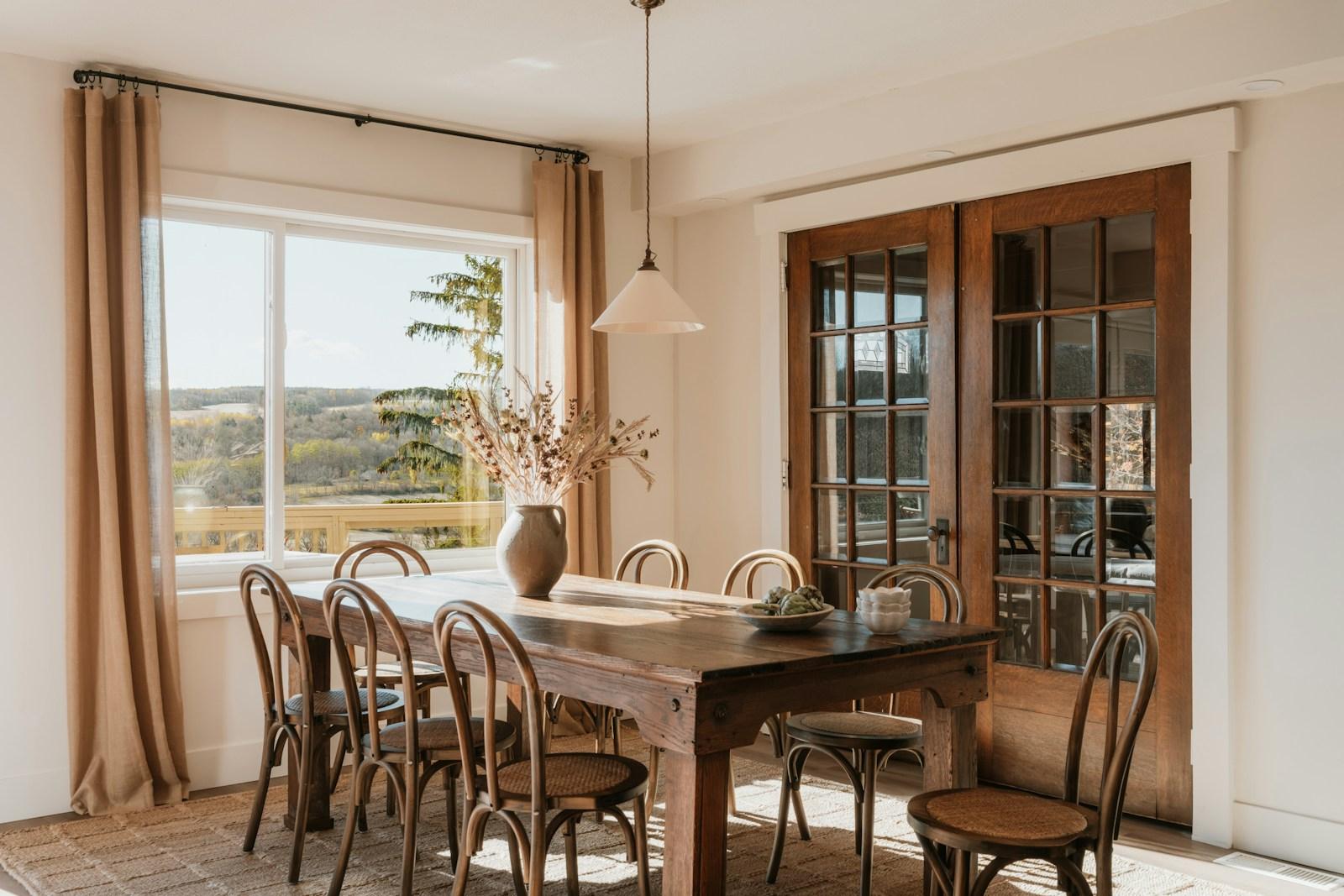
I was just at a Habitat for Humanity ReStore, and they had so many dining tables and chair sets that they weren't taking any more. Not broken ones. Nice ones. Solid wood, all the chairs, the kind of set a family ate at for years.
Honestly, I wasn't surprised. Larger formal dining tables just aren't as desirable anymore. People are more minimalist now, and small tables are in. A table that seats six or more with the leaves in is about as hard to find a home for as a china cabinet or any other large piece of furniture.
If you've tried to donate a dining set lately and been told no, you're not alone, and it isn't a judgment on your furniture. It's simple supply and demand, and it helps to know how it works before moving day.
Why good furniture gets turned away
- Too many, too fast. A lot of families are downsizing at the same time, and the same pieces come in from every house: dining sets, hutches, bedroom sets.
- Fewer people want them. Many newer homes and apartments don't have a formal dining room, and people eat at a kitchen island instead.
- Floor space is limited. A donation store can only show so many big pieces, and a dining set with six chairs takes up a lot of it.
- They have to sell. Most donation stores fund their mission through sales, so they take what moves quickly. Pieces that sit for months cost them money.
- Weight and stairs. Big, heavy pieces are hard for buyers to get home, which shrinks the market even more.
Pieces that are often hard to place
Every store is different and it changes month to month, but these are the pieces that most often get turned away, even in good shape:
- Dining sets and dinettes
- China cabinets, hutches, and curios
- Entertainment centers and wall units (built for old TVs)
- Sleeper sofas
- Particleboard furniture, which rarely survives a move
- Tube TVs, which go to electronics recycling instead
- Pianos and organs, unless it's a quality piano
- Treadmills and other big exercise machines
- Used mattresses, cribs, and car seats, which most places won't take for safety reasons
What you can do instead
Before moving day
- Offer it to family and friends first, and give them a date to decide
- List it early: photograph it, measure it, and post it a few weeks ahead, not the weekend before
- Call the donation center before you load anything, and ask what they're taking right now
- Look past the big stores: churches, shelters, and furniture banks sometimes need exactly what the stores are full of
- Keep a piece if it matters: one chair from the set can hold the memory without the whole set
What we do with pieces no one wants
At the walkthrough, I'll tell you honestly what I think will find a new home and what probably won't. That way the price is right from the start, and there are no surprises on the day of the job.
Then I try. I'll always do my best to sell anything that has value, even if a set has to be split up to find buyers. One thing I'm starting to do is put together small home vignettes: a few smaller or eclectic pieces styled as a living room or bedroom, so people can picture them in their own home. A piece that sits unnoticed on its own often sells when it looks like part of a room.
Some pieces just need a little help: a repair, a fresh coat of paint, or a new stain to give them new life. I spend a lot of time looking at upcycled furniture on Etsy and Marketplace, and the pieces I like best are the ones that went from storing things nobody used to something people use every day.
Donation is for what doesn't sell, or isn't worth the time it would take to refinish, but can still serve a purpose for someone. Only what truly can't find a home is disposed of, and it's done responsibly. It's never easy to see a nice piece go that way, but knowing ahead of time makes it easier to say goodbye, and to keep the memories that came with it.
Let us take it from here
We're a locally owned, fully insured cleanout company serving Sussex, Morris, Passaic, Bergen, and Warren counties. Any size, from a single item to a whole house. We resell and donate first, leave it broom-clean, and price every job at a free, no-pressure walkthrough.
Common questions
Will Habitat for Humanity ReStore take my dining set?
Why won't donation centers take furniture in good condition?
Can I sell an old dining set?
What happens to furniture no one will take?
More from the blog
- Should you empty the house before you sell it?
- Letting go of the things doesn't mean letting go of the memories
- What to do with your parents' belongings when they move to assisted living or pass away
- Garage cleanout checklist for Sussex County homeowners
- Estate sale vs. estate cleanout: what's best for your family?