

Letting go of the things doesn't mean letting go of the memories
By Erik Checkur · November 13, 2026 · 8 min read
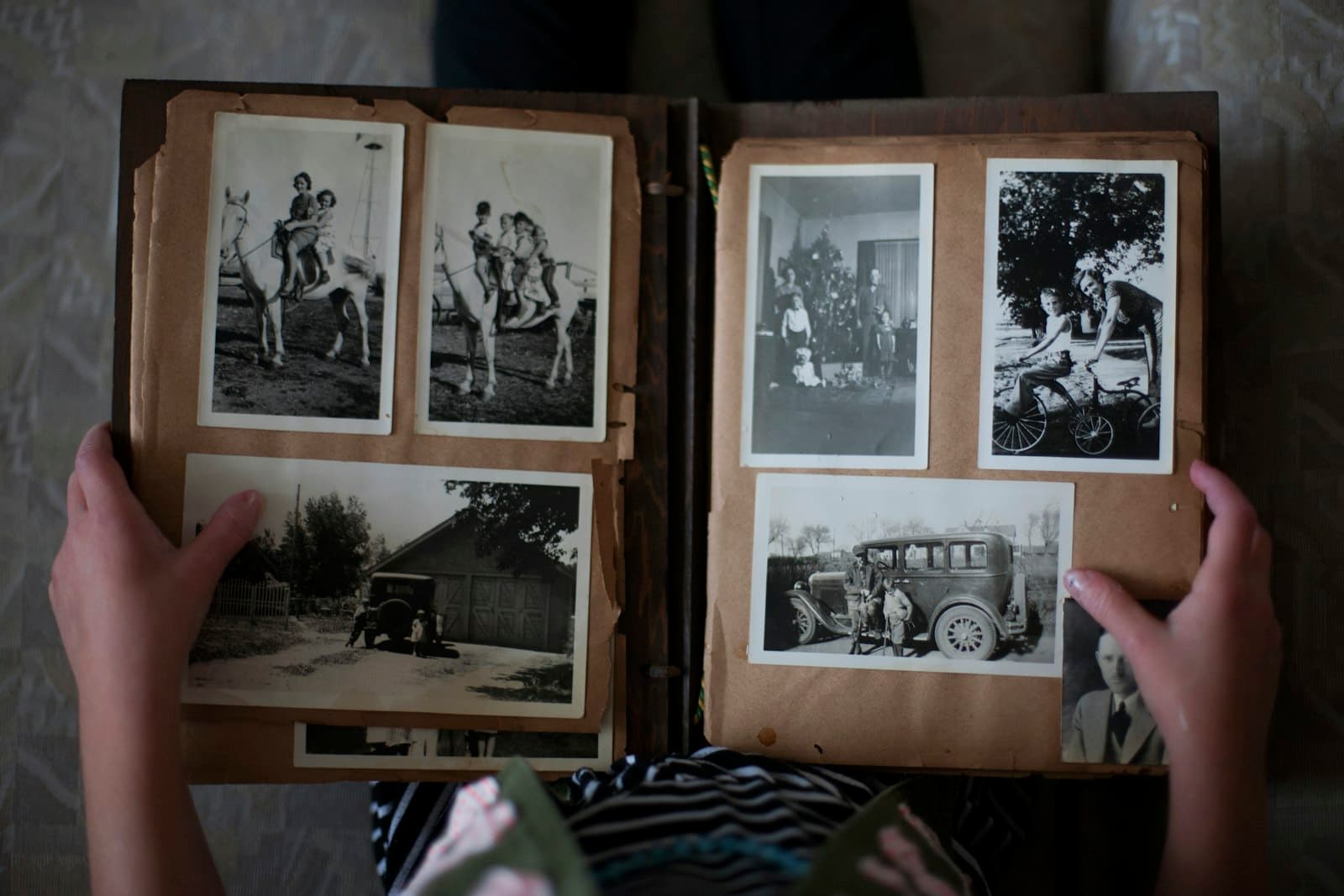
Things collect in a home over years, and people get attached to them, and that attachment is real. Sometimes it's a parent's house after they've passed. Often it's someone downsizing who has to part with half of what they own, a family moving Mom or Dad into assisted living, or a home where things have piled up until it's hard to live in. Whatever the reason, some people are hesitant to call for help because they picture a junk trailer showing up to haul everything off, and the compassionate side of things gets lost. Real people, real stuff, real memories and attachments. People deserve to be understood, and to know their connections are real. Those connections are tied to emotions and to people, not to the items themselves. And that situation deserves to be handled with sensitivity.
Every house tells a story
I enjoy seeing the life in someone's space. Whether they're travelers, artists, musicians, readers, or a really close-knit family, I love to see what fills the hearts of the people who live there. Sometimes the kids grew up and have families of their own, but all their childhood activities are still piled up in the garage, untouched since the last time they shot the basketball, pitched a wiffle ball, or rode the scooter home from a friend's house. Each space is unique. Each family is unique, and what they cherish is important.
Why it's so hard to let go
When someone is struggling, they talk a lot about the memories. They give reasons for keeping something that might seem absurd from the outside, but the feelings are valid to them. These things serve a purpose in someone's life, or they once did.
The hardest items are usually gifts, and things that belonged to a parent. It can feel like letting go of the belongings means letting go of the person, and of the memories you shared with them. They're a reminder of the good old days, and sometimes you just want to stay there as long as you can. Smile because life happened. It's also easy to mix up what something is worth with what it means to you. Nostalgia can make an old chair feel priceless.
I've seen people hold onto nearly everything from a parent's home: old chairs, a lamp that's been in the family for generations, letters that meant something to the person who wrote them. They'll say it's valuable, and to them it is, because it belonged to someone they love and family history means a lot to them. But loving someone doesn't make every one of their things valuable. It's also common for two people in the same family to look at the same room and see completely different things: one sees a legacy, the other sees stuff. Getting past that is easier said than done, and it takes patience, not pressure.
A relay race, not a board game
A lot of the time, people have a hard time letting go of possessions they worked hard for. Letting go means accepting that a part of their life is over. They think about life like a board game: you start, you play, it ends. But life is more like a relay race. You run your race, do your part, and pass the baton to the next generation, whether that's your children or the people you impact in your community. What you do in this life carries the legacy on to those who come after you, honors those who came before you, and leaves the world a better place for the generations to come.
"I might need that someday"
A lot of garages and basements are full of things kept for one reason: "I might need that eventually." And that's true, maybe you will. But if it hasn't been used in years, it likely won't be used in the years ahead either.
Most of those things are cheap to replace. If you realize two years from now that you need one, you can pick up another at the store or on Marketplace. A good rule of thumb from the minimalist world: if you can replace it for under $20 in under 20 minutes, you don't need to keep it just in case. Weigh the space it takes up in your home against what it would cost to replace. The possibility of needing it usually isn't worth it, especially for something that hasn't been touched in years.
Letting go doesn't mean forgetting
Letting go of the stuff doesn't mean you're getting rid of the memories. And it doesn't mean you should feel guilty.
If guilt is what's holding you back, here's what I'd tell you: it has served its purpose tenfold. It served its material purpose and gave you all the memories that came with it. There's nothing wrong with letting it go.
Things are made to last for a certain amount of time. They get old and they break, and that's okay. That's part of why I love upcycling: taking older pieces that are well made but don't quite fit how people live today and giving them new life, so people see them and use them again.
So ask yourself whether an item actually brings you joy, as opposed to nostalgia. Photos, memories, and telling the stories keep the nostalgia fresh. Meanwhile the item itself can be out there helping someone who needs it and making memories with them.
Someone else can make memories with it
It's better to send things to someone who can use them than to let them sit and collect dust. A dining table that's still being used for what it was made for can be part of another family's memories now.
That matters to a lot of people. I've worked with someone who went from company to company, skipping the junk haulers, because he wanted a company that actually cared: one that would donate, resell, and recycle so his things didn't end up in a landfill.
Where to start if you're stuck
Start with the psychology of it, not the pile. Pick up one item and appreciate it for what it did and the purpose it served. If it isn't serving a purpose anymore, it can go to someone who's ready to make their own memories with it.
A few things that help
- Tell the stories out loud. Sometimes just having the conversation gets it all out, and you get to relive those memories
- Take a photo of the things you're letting go of
- Keep the pieces that tell a real part of your family's story, the ones you'd want to pass down and explain. You don't need every desk and lamp in the house
- For the "just in case" things, ask whether you've used them in the past few years and what one would cost to replace
- Remember where things are going: someone who'll use them is better than a shelf in the basement
Where the treasure really is
Do you know your grandfather's name? What about your great-grandfather? Your great-great-grandfather? Now, do you know more than their names? What was their favorite color? What did they do for fun? What did their family and community love about them? What got them excited?
Most of us don't know much about our family before our grandparents, unless someone kept a family tree. It's a hard thing to realize, but one day this stuff won't matter. Things break, technology advances, trends change. Life keeps moving. The value is in the memories, not your belongings themselves. That's where the real treasure is.
If an item gives you real joy and serves a purpose, keep it. But 200 items that serve the same purpose probably aren't necessary. The legacy your family and community remember won't be how much stuff someone saved. It'll be the time they spent making things better for the people around them. That's the baton you pass on.
How I try to do this work
I once heard that the job of a Christian cobbler isn't to make Christian shoes; it's to make really good shoes. That's how I try to run this business: do what I said I'd do, at a fair price, with honesty, and treat your things with respect, whatever season of life brings you here.
Let us take it from here
We're a locally owned, fully insured cleanout company serving Sussex, Morris, Passaic, Bergen, and Warren counties. Any size, from a single item to a whole house. We resell and donate first, leave it broom-clean, and price every job at a free, no-pressure walkthrough.